
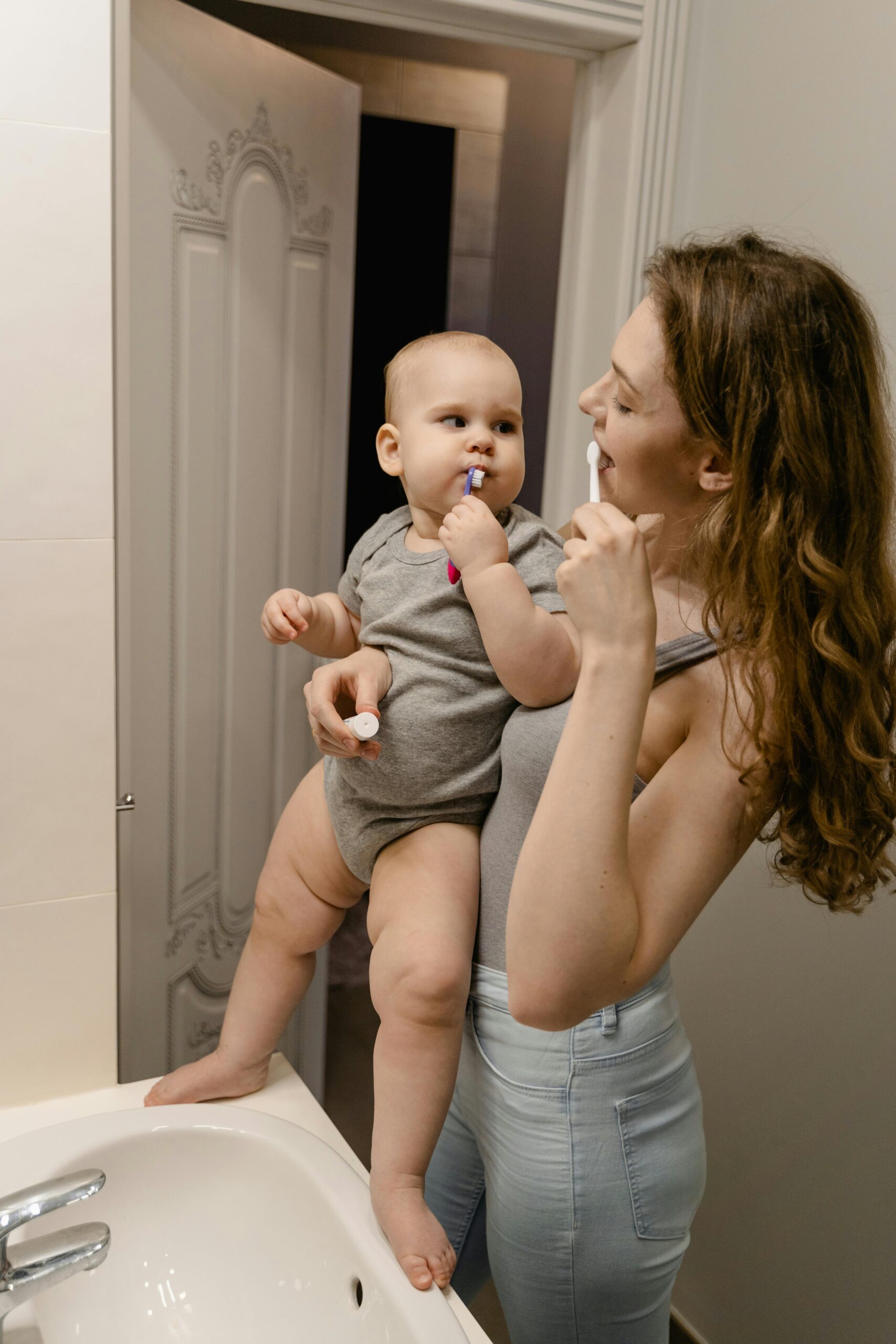
If you’re a new parent in Round Rock, you’ve probably wondered: when should baby first see a dentist? The answer might surprise you — it’s earlier than most people think. The American Academy of Pediatric Dentistry (AAPD) recommends scheduling your child’s first dental visit by their first birthday, or within six months of their first tooth coming in — whichever comes first. That means some babies may need to see a pediatric dentist before they’ve even taken their first steps.
At Destination Pediatric Dentistry in Round Rock, TX, we see babies and toddlers every week for their very first dental visits. Parents often ask when should baby first see a dentist, and we love helping families find the right answer. Here’s everything you need to know about your child’s first trip to the dentist, why it matters, and what to expect when you get here.
The AAPD Recommendation: By Age 1 or First Tooth
The American Academy of Pediatric Dentistry has recommended the “first visit by first birthday” guideline for decades — and for good reason. Baby teeth begin erupting as early as 4–6 months of age, and the moment a tooth appears, it becomes susceptible to decay.
So when should baby first see a dentist? The simple rule: schedule the visit no later than 12 months of age, or within six months of the first tooth breaking through the gums. For many children, that first tooth arrives around 6 months, which means the dentist visit should happen by around 12 months. If your child is a late teether and doesn’t get their first tooth until 10 or 11 months, schedule the appointment soon after it appears.
Early infant dentistry appointments allow your pediatric dentist to:
- Assess the health of existing teeth and gums
- Check for signs of early childhood cavities (also called early childhood caries)
- Review your baby’s feeding habits — including bottle use and breastfeeding — and their impact on dental health
- Apply fluoride varnish to protect erupting teeth
- Give parents personalized guidance on teething, brushing, and oral habits going forward
Waiting until age 3 or 4 — which was common advice a generation ago — can mean missing the window to catch early problems before they become painful and expensive. The most important thing to remember about when should baby first see a dentist is to not wait until there’s a visible problem. By then, decay may already be underway.
Why Early Dental Visits Matter More Than You Think
Baby teeth aren’t just placeholders. They play a critical role in your child’s speech development, nutrition, and the proper alignment of permanent teeth. Losing baby teeth early due to decay can cause neighboring teeth to shift, creating crowding problems that require orthodontic treatment later.
More importantly, early childhood tooth decay is extremely common. According to the CDC, tooth decay is one of the most prevalent chronic diseases in children — more common than asthma. By starting pediatric dental checkups early, you give your child the best chance at a healthy, cavity-free smile through childhood and beyond.
Early visits also help your child build a positive relationship with the dentist from day one. Children who start dental care early are far less likely to develop dental anxiety as they grow older. The sights, sounds, and smells of the dental office become familiar rather than frightening — and that familiarity pays dividends for years to come. Kids who dread the dentist often delay care as adults, leading to more serious and costly dental problems. Getting your baby comfortable with routine dental visits is truly one of the best gifts you can give their long-term health.
At Destination Pediatric Dentistry, our entire office — from the bright, welcoming décor to the way our team speaks with kids — is designed to make dental visits feel fun and safe, not scary. We specialize exclusively in children, which means every member of our staff is trained to work with little ones from infancy through the teen years.
What Happens at a Baby’s First Dental Visit?
Understanding when should baby first see a dentist is only half the equation — knowing what to expect helps parents arrive confident and prepared. Here’s what a typical first visit looks like at our Round Rock office:
A knee-to-knee exam. For very young babies and toddlers, the dentist typically uses a “knee-to-knee” position — the parent sits facing the dentist, the baby lies with their head in the dentist’s lap and their legs across the parent’s lap. This keeps baby close to you while giving the dentist full access to examine the mouth.
A gentle oral exam. The dentist will look at all existing teeth and gums, checking for signs of decay, bite development, and the progression of teething. We’ll also assess the frenulum for any signs of a tongue or lip tie.
Fluoride varnish. If your baby has teeth, we’ll apply a thin coat of fluoride varnish to protect the enamel. It takes only seconds, is completely safe, and provides meaningful protection against early decay.
A parent education session. We’ll talk through how to clean your baby’s teeth and gums at home, which foods and drinks to limit, the effect of pacifier and bottle use on tooth development, and what to expect as more teeth come in.
The entire first dental visit typically takes 20–30 minutes. Most babies do great — even if they fuss a little during the exam, they usually calm right down once it’s over.
How to Prepare Your Baby for Their First Dentist Appointment
A little preparation goes a long way in making your baby’s first visit smooth and positive. Here are some tips from our team:
Schedule at the right time of day. Book the appointment when your baby is typically alert and in a good mood — usually mid-morning after the first nap.
Practice opening wide at home. A few days before the visit, play a game where you and your baby take turns opening wide. This makes the exam feel familiar rather than strange.
Stay calm yourself. Babies pick up on parental anxiety. If you’re nervous, take a few deep breaths before coming in. Our team is here to support you just as much as your child.
Bring comfort items. A favorite pacifier, blanket, or stuffed animal is always welcome in our office.
Don’t use the dentist as a threat. Even well-meaning warnings like “you’ll have to go to the dentist if you don’t brush!” create negative associations. Frame it as an exciting outing instead.
Caring for Baby Teeth at Home: What to Do Between Visits
While you’re waiting for that first dental appointment — and between every children’s dental exam after — there’s plenty you can do at home to keep your baby’s mouth healthy.
Before the first tooth: Wipe your baby’s gums with a damp, clean cloth after feedings. This removes bacteria and gets your baby used to having their mouth touched.
When the first tooth appears: Start brushing right away with a soft-bristled infant toothbrush and a tiny smear of fluoride toothpaste — about the size of a grain of rice. Yes, even for babies under 2!
Limit sugary drinks. Avoid putting your baby to bed with a bottle of milk, formula, or juice. Liquid pooling around the teeth while they sleep is one of the leading causes of baby bottle tooth decay.
Teething discomfort: Cold teething rings and gentle gum massage with a clean finger can help soothe sore gums. Avoid teething gels containing benzocaine, which the FDA advises against for children under 2.
Water, not juice. Once your baby starts drinking from a cup, water is the ideal beverage between meals. Juice — even 100% fruit juice — is high in sugar and can contribute to early decay if consumed regularly.
When Should Baby First See a Dentist — and How Often After That?
Now that you know when should baby first see a dentist (by age 1 or first tooth), let’s talk about ongoing care. After the first visit, most children should return every six months for a children’s dental exam and cleaning. These regular pediatric dental checkups let us catch any issues early — when they’re easiest and least expensive to treat — and keep your child comfortable and confident at the dentist.
Some children with higher cavity risk may benefit from visits every three to four months. Your dentist will recommend a schedule based on your child’s individual needs, diet, and oral hygiene habits. The key is consistency — regular visits build the habits and familiarity that support lifelong dental health.
Frequently Asked Questions: When Should Baby First See a Dentist?
When should baby first see a dentist if no teeth have come in yet? The AAPD recommends the first visit by age 1 regardless of tooth eruption. Even without teeth, your dentist can check gum health and give guidance on what to expect.
When should baby first see a dentist if I’m breastfeeding? Breastfeeding is wonderful for your baby, but breast milk contains natural sugars that can affect teeth. The answer to when should baby first see a dentist doesn’t change — by age 1 is still the recommendation, and your dentist can offer tailored guidance for breastfeeding families.
Is a pediatric dentist necessary, or can I take my baby to a general dentist? While general dentists can see children, a pediatric dentist has 2–3 additional years of specialized training in child dental development and behavior. If you’re wondering when should baby first see a dentist, choosing a pediatric specialist ensures the most age-appropriate care from the start.
Destination Pediatric Dentistry: Round Rock’s Home for Baby’s First Dental Visit
Now that you know when should baby first see a dentist, we’d love to be your partner in your child’s lifelong oral health. Dr. Philip Matson and our team specialize exclusively in children — from infants through teens — and we’ve built our practice around making every visit comfortable, positive, and educational for the whole family.
We also offer our Membership Plan for families without dental insurance:
- Ages 3–12: $434/year — includes 2 exams, 2 cleanings, X-rays, fluoride treatments, and 15% off additional treatment
- Ages 13+: $481/year — same great benefits
No insurance? No problem. Our Membership Plan makes high-quality pediatric dental care affordable and predictable for Round Rock families.
Ready to schedule your baby’s first dental visit? Contact us online or call us at (737) 239-0123. We’re open Tuesday through Friday, 8:00 AM – 4:30 PM. We can’t wait to meet your little one!
Destination Pediatric Dentistry
3100 Farm To Market 1431, Suite 400
Round Rock, TX 78681
(737) 239-0123